


Frost Seeding Offers a Practical Path to Native Prairies in Madison County
As winter loosens its grip on Madison County, a quiet but effective land management practice is gaining renewed attention: frost seeding native grasses and wildflowers. Timed to late winter, this method takes advantage of Ohio’s natural freeze–thaw cycles to help seeds settle into the soil, offering landowners a straightforward way to establish native vegetation with minimal disturbance.
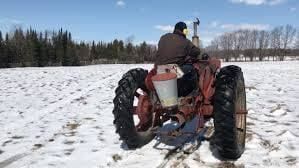
Frost seeding involves broadcasting seeds onto frozen or lightly snow-covered ground. As temperatures fluctuate, the soil surface naturally cracks and contracts, allowing seed to fall into place. Spring moisture then provides the conditions needed for germination. While simple in concept, the approach mirrors natural processes that have shaped Ohio’s prairies and meadows for thousands of years.
For landowners in Madison County, frost seeding can be an especially appealing option. It requires little equipment, making it accessible for small acreage, irregular fields, or areas where tractors and drills are impractical. It also fits neatly into the winter calendar, allowing property owners to work around spring planting, hay, or construction schedules.
Benefits for land and wildlife
Native grasses and forbs bring a range of long-term benefits once established. Deep-rooted native species help improve soil structure, increase water infiltration, and reduce erosion. Wildflowers provide nectar and pollen for bees, butterflies, and other pollinators early in the growing season, while native grasses offer nesting cover and food sources for birds and small wildlife.
Frost seeding also supports diversity. Many native wildflowers respond well to surface seeding followed by natural cold exposure, which helps synchronize germination as soils warm. The result can be a more varied plant community that is resilient to drought, flooding, and temperature swings common in central Ohio.
From a land management perspective, frost seeding is often viewed as a cost-effective starting point. Seed can be applied quickly, labor requirements are low, and the absence of tillage helps preserve existing soil life and structure.
Considerations for success
While frost seeding is generally positive, its success improves when landowners plan thoughtfully. Areas with some exposed soil or thin vegetation tend to perform best, as seeds are more likely to reach the ground. Light mowing or residue removal beforehand can improve results.
Patience is also key. Native grasses and wildflowers often prioritize root development in their first year, meaning visible results may be modest early on. Over time, however, these plantings typically become stronger, denser, and more visually striking.
Weed management during establishment can further enhance outcomes. Simple practices such as timely mowing can give young native plants a competitive edge without the need for intensive inputs.
A promising tool for local landscapes
For landowners interested in habitat improvement, pollinator support, or low-maintenance landscapes, frost seeding offers a positive and practical option. It aligns with natural seasonal rhythms, minimizes soil disturbance, and provides a strong foundation for diverse native plant communities.
As interest in conservation-minded land use continues to grow, frost seeding stands out as a method that blends simplicity with long-term ecological value — turning the quiet days of late winter into an investment in Ohio’s native landscapes.
The mission of the Madison Soil and Water Conservation District is to enhance and sustain the soil, water and related natural resources of Madison County through partnerships with landowners and others to provide research-based educational programs, technical assistance, and funding to promote a clean local environment. More information about our services, conserving natural resources, and events is available at www.madisonsoilandwater.com, or call our office at 740-852-4003 and ask for Broc Sehen-Wildlife Specialist.
